Physical Education
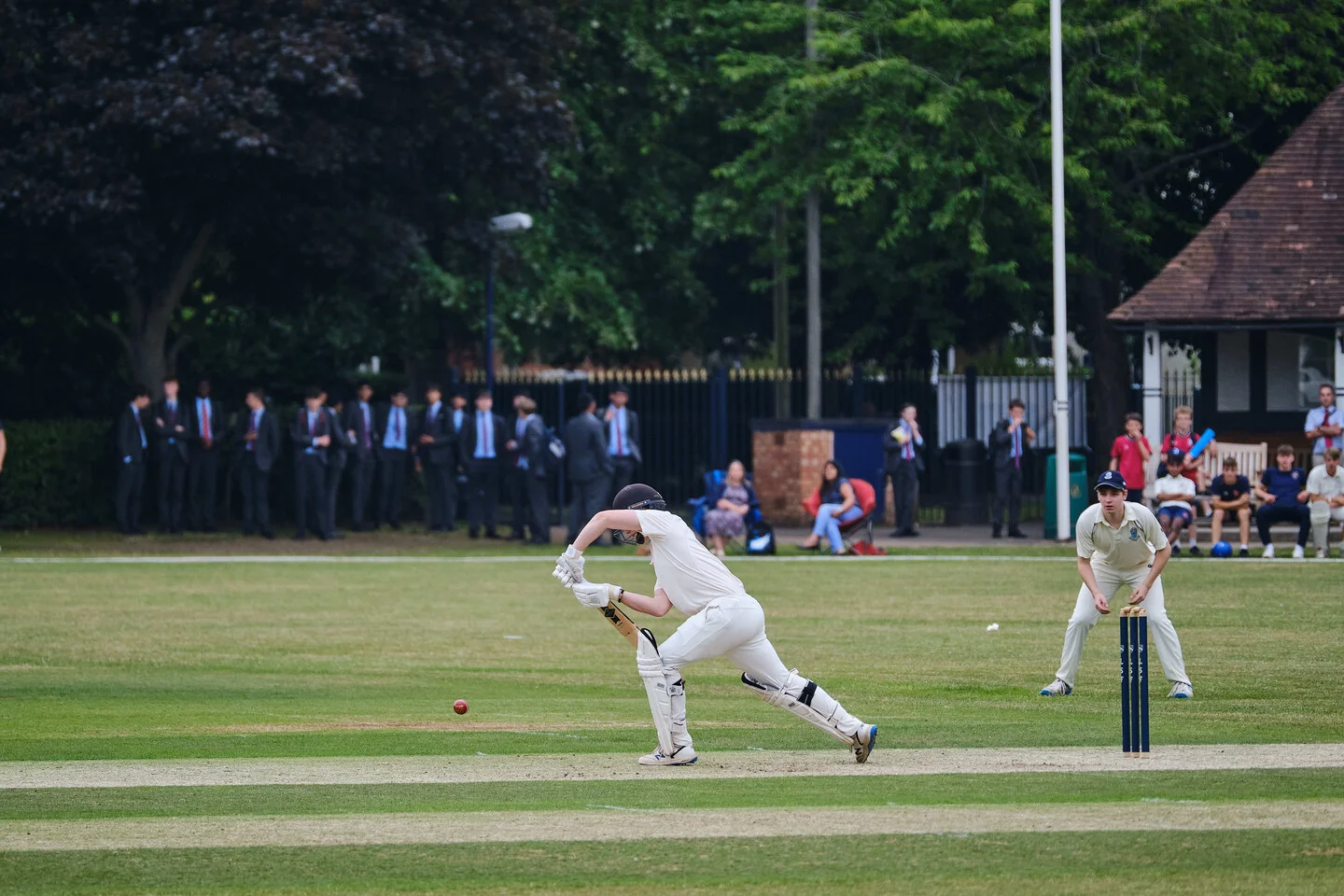
This practical and engaging course has been developed to ensure an inclusive specification that will allow all pupils to achieve their full potential. The content has been designed to allow pupils to study Physical Education (PE) in an academic setting, allowing them to critically analyse and evaluate physical performance and apply their experience of practical activities in developing their knowledge and understanding of the subject. The combined practical and theoretical element to this course allows us to bring theoretical concepts to life and consolidate learning in a fun and engaging way. Pupils will have the opportunity to ‘walk’ through a life size cardiovascular system, respond to first aid scenarios, create nutrition plans for real life athletes and much more. The examined components will provide the knowledge and understanding which underpin the non-exam assessment (NEA). The NEA within this specification allows pupils to explore a range of activities in the role of performer, including both team and individual activities.
What does the course involve?
The course is divided into three sections and over the course of two years, pupils will have the opportunity to study and learn about a broad range of topics, including:
- Applied anatomy and physiology Physical training
- Socio-cultural influences Sports psychology
- Health, fitness and wellbeing
As part of the NEA component, pupils will be assessed on their practical performance across three different sports (one individual sport, one team sport and one that can be either individual or team) and develop their understanding of how to analyse and evaluate performance as part of their assessed coursework.
Component 1 – physical factors affecting performance.
This paper is 1 hour long and is worth 30% of the overall grade.
Component 2 – socio-cultural issues and sports psychology.
This paper is also 1 hour long and worth 30% of the overall grade.
How is the course assessed?
At the end of Year 11 pupils take two examination papers.
During the two-year course, pupils will also be assessed in three practical activities (at least one must be individual or team) and complete their Evaluation of Performance (AEP) coursework under controlled assessment conditions. These combined make up the final 40% of the overall grade.
What can a GCSE in PE lead to?
This course will prepare learners for the further study of PE or sports science courses as well as other related subject areas such as psychology, sociology and biology. Learners will also develop the transferable skills that are in demand by Further Education, Higher Education and employers in all sectors of industry.
What skills does the PE course develop?
This specification will create confident, independent thinkers and effective decision makers who can operate effectively as individuals or as part of a team – all skills that will enable them to stand out and effectively promote themselves as they progress through life. Throughout the course, pupils will be required to master skills such as the demonstration of knowledge and understanding, application of this knowledge and understanding within a practical setting and analysis and evaluation techniques.
At a Glance
Exam Board
OCR
Assessment
The course is assessed by three components:
- Exam 1 (30%)
- Exam 2 (30%)
- Practical (40%)
Head of Department
R Lewis
r.lewis@lsf.org
Related Subjects
-
Biology
View subject →: BiologyBiology is the science of life — and it is all around you. From how your body trains, fuels and … -
Chemistry
View subject →: ChemistryEver wondered what was in that sandwich you ate for lunch? Or what is in your bottle of water as … -

Computer Science
View subject →: Computer ScienceWhy study Computer Science?
Computer Science is fundamentally about problem solving — a skill that underpins success not only in …