
Physics
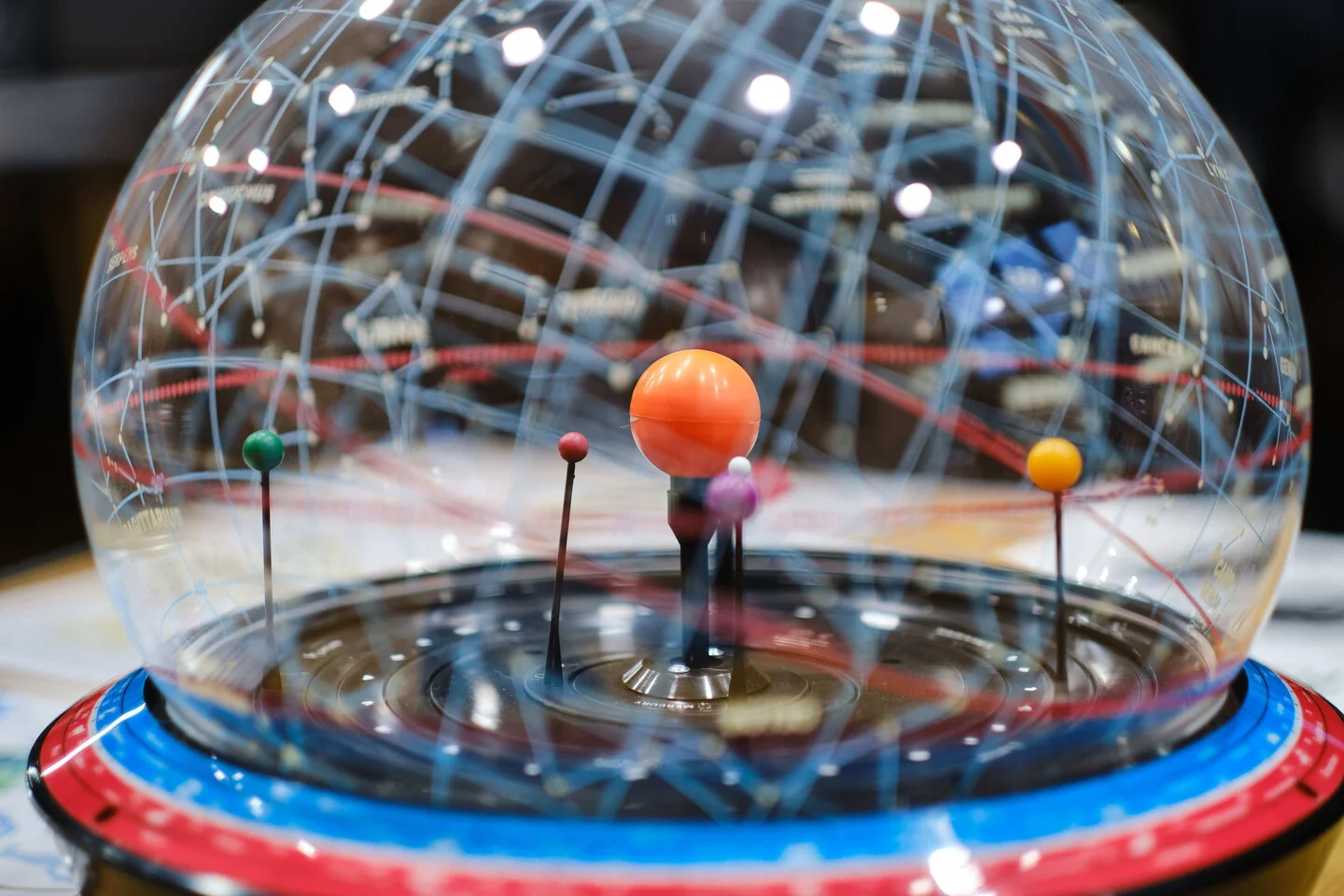
Have you ever pondered how your smartphone works, or why the sky is blue? Physics invites you to explore these mysteries and understand the fundamental principles that govern our universe. Through the study of physics, you will discover the laws that dictate motion, energy, and the behaviour of matter, uncovering the scientific basis for everything from everyday gadgets to the vast cosmos.
Physics is not just about abstract theories; it plays a vital role in developing the technologies that shape our modern world. From the materials used in advanced electronics to the renewable energy solutions that aim to combat climate change, the contributions of physics are everywhere in our daily lives. The UK’s physics-related industries are significant contributors to the economy, offering numerous career paths in engineering, technology, medicine, and beyond.
The GCSE Physics course is designed to engage both those studying the subject at this level and those who plan to progress to A Level. It is rich in practical work, enabling you to apply your understanding of theoretical concepts to real-world situations. You will develop a comprehensive understanding of key physical principles, including forces, waves, electricity, and the structure of atoms, leading to the insights necessary for further study.
Topics covered include the dynamics of motion, the properties of waves, and the fundamentals of energy and electricity. You will learn to analyse and interpret data, create and evaluate models, and understand how physics impacts our environment, economy, and society.
Practical experiments will encompass a wide range of applications, from investigating the behaviour of electrical circuits to studying the principles of motion and energy transfer. As you embark on this journey through physics, you will find that the subject not only enhances your scientific literacy but also equips you with critical thinking and problem-solving skills essential for navigating the complexities of the modern world.
In the GCSE course, there will be no module exams, thus ensuring the maximum amount of time for teaching Physics and greater scope for practical work. At the end of Year 11, there will be two 1-hour 45-minute examinations, each contributing 50% towards the final mark. There is further information regarding this qualification available on the AQA website.
GCSE Physics is a highly regarded qualification, which is designed to develop analytical and investigative skills. It is an essential foundation for any pupil wishing to study the subject to A Level and is vital for those considering a career in the physical sciences or engineering world. The subject offers a crucial insight into how the universe works and even how it came into being.
“What we know is a drop, what we don’t know is an ocean.”
Isaac Newton
At a Glance
Exam Board
AQA
Assessment
2 exams (1 hour 45 minutes each)
Head of Department
A Lloyd
a.lloyd@lsf.org
Related Subjects
-
Biology
View subject →: BiologyBiology is the science of life — and it is all around you. From how your body trains, fuels and … -

Chemistry
View subject →: ChemistryEver wondered what was in that sandwich you ate for lunch? Or what is in your bottle of water as … -

Computer Science
View subject →: Computer ScienceWhy study Computer Science?
Computer Science is fundamentally about problem solving — a skill that underpins success not only in …