Beyond Earth Day: How adventure shapes environmental stewardship
On paper, environmental awareness has never been higher. Pupils can explain climate systems, define biodiversity loss, and debate net zero targets with fluency. And yet, there remains a gap between knowing and caring, between understanding and acting.
It is in that gap where adventure still quietly does its work.
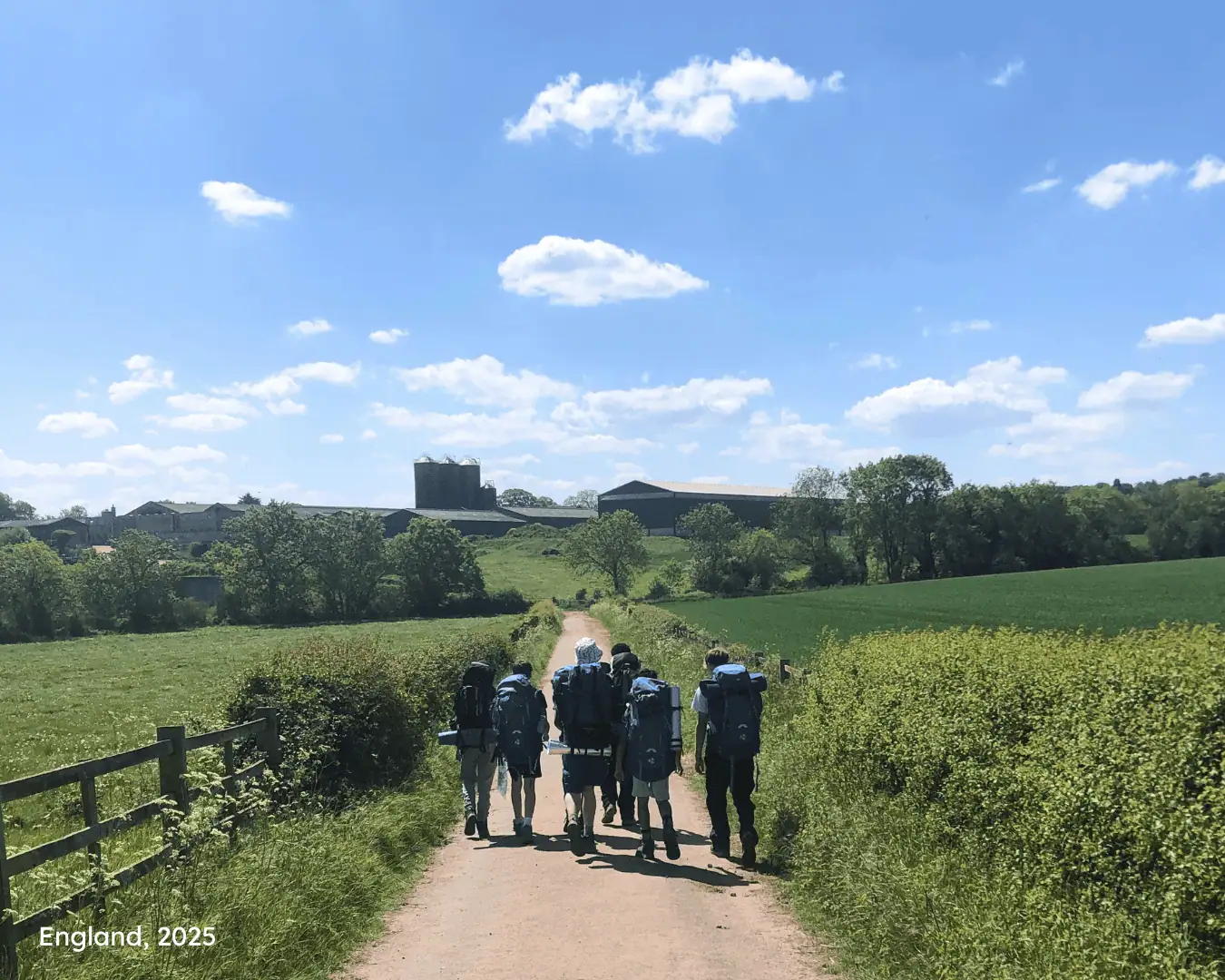
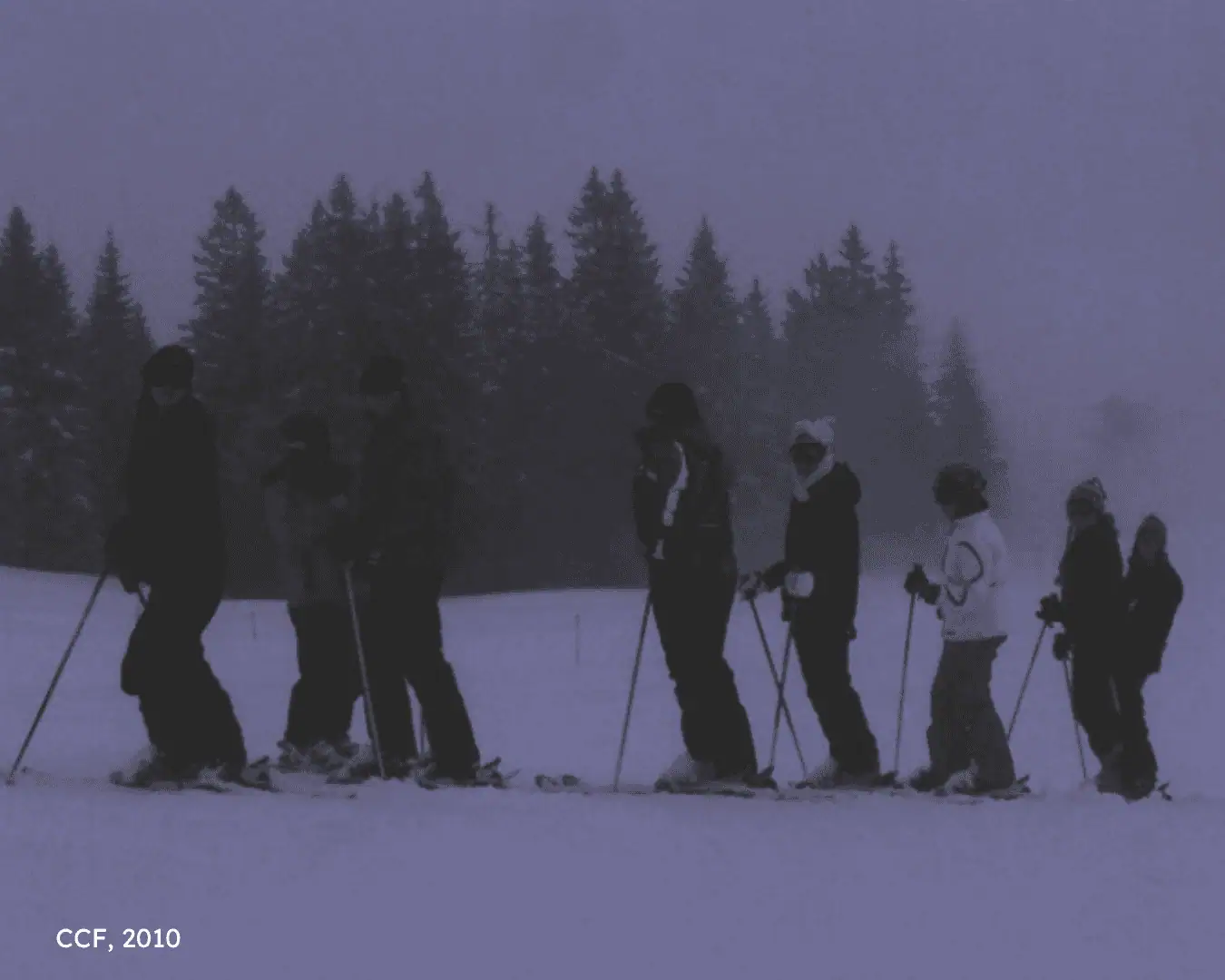
At Loughborough Grammar School, environmental stewardship is not framed solely through the classroom, but through exposure: to wind, to cold and to landscapes that resist neat explanation. Through the Combined Cadet Force, pupils find themselves camping overnight, navigating unfamiliar terrain, or learning resilience through mountain biking and mountaineering excursions. Through the Duke of Edinburgh’s Award, expeditions become a rite of passage less about ticking off skills, more about learning how to exist, attentively, in the natural world.
These are not co-curricular add-ons. They are formative encounters.
Consider a six-day sea kayaking expedition along Scotland’s west coast, from the Isle of Seil to Argyll. The initial excitement of such a journey soon gives way to something deeper when confronted with a choppy sea and the slow grind of distance. But something else takes its place. Pupils begin to read the water, to notice the fragility of coastal ecosystems, to understand viscerally rather than abstractly what it means to depend on weather, terrain and each other.
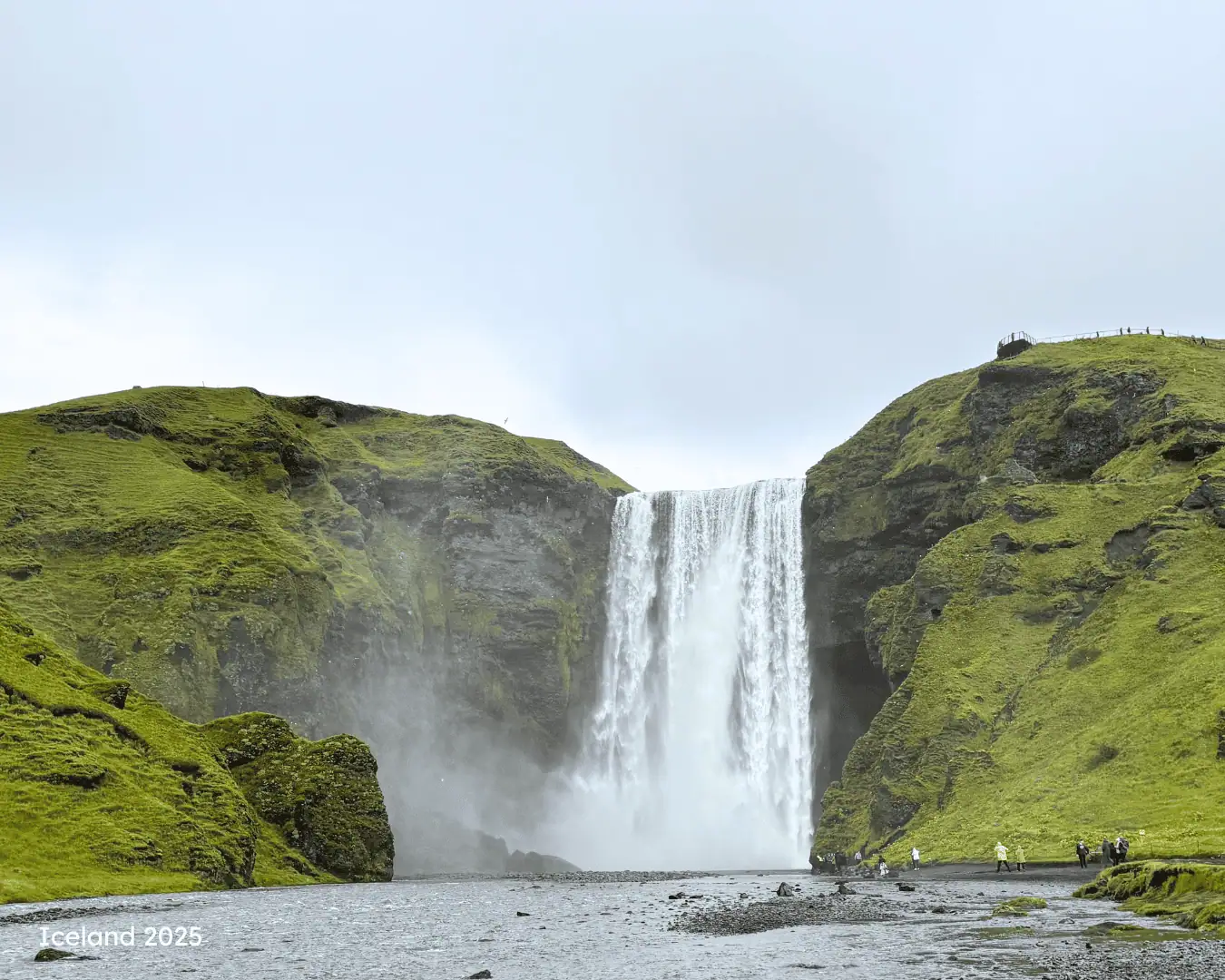
Or take a geography trip to Eyjafjallajökull, Iceland. In a classroom, volcanic systems are diagrams and data. Standing on that landscape, below an epic volcano is a reminder of planetary forces far beyond human control. Climate change, too, becomes less theoretical when encountered in situ: in retreating ice, in altered terrain, in ecosystems under visible strain.
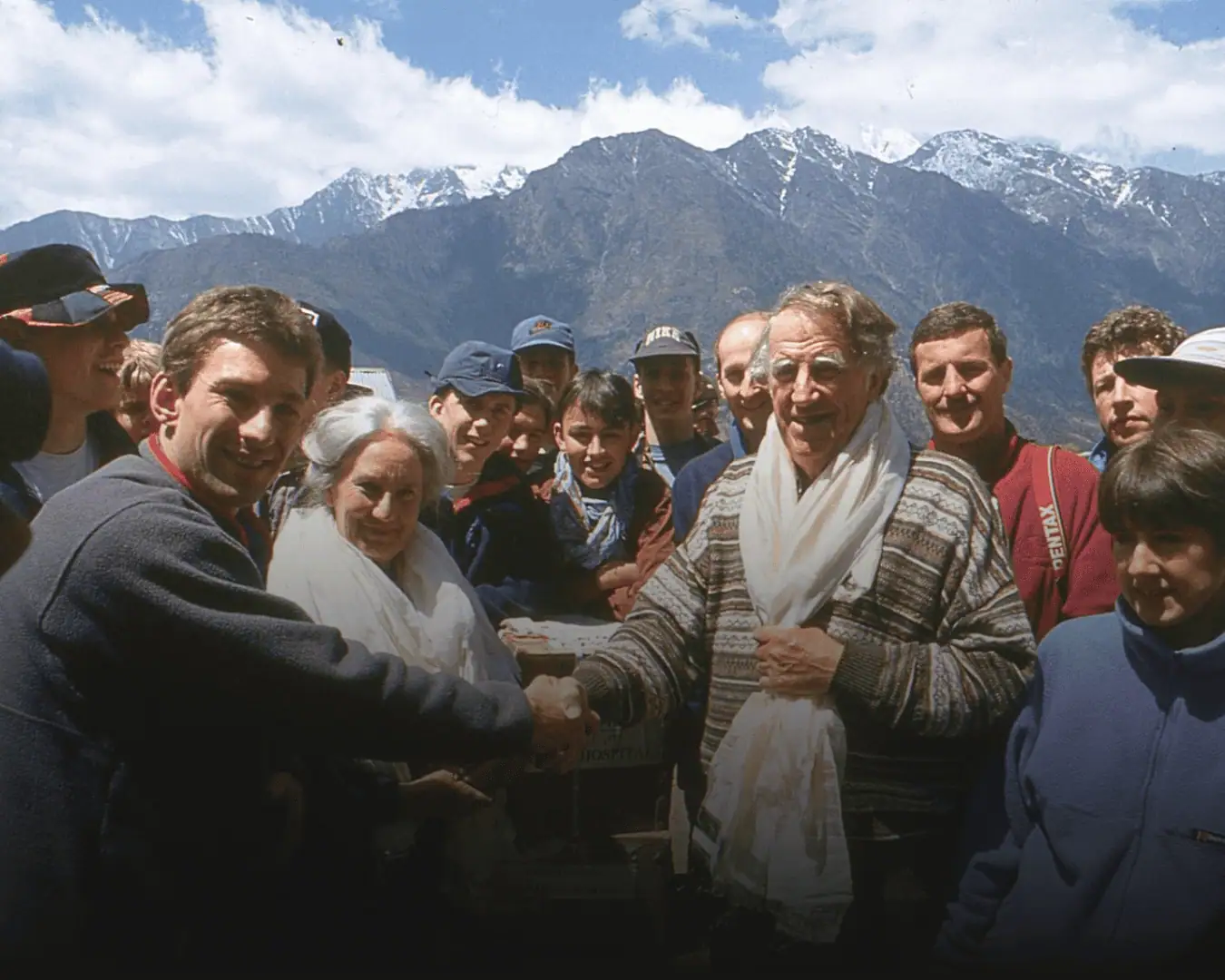
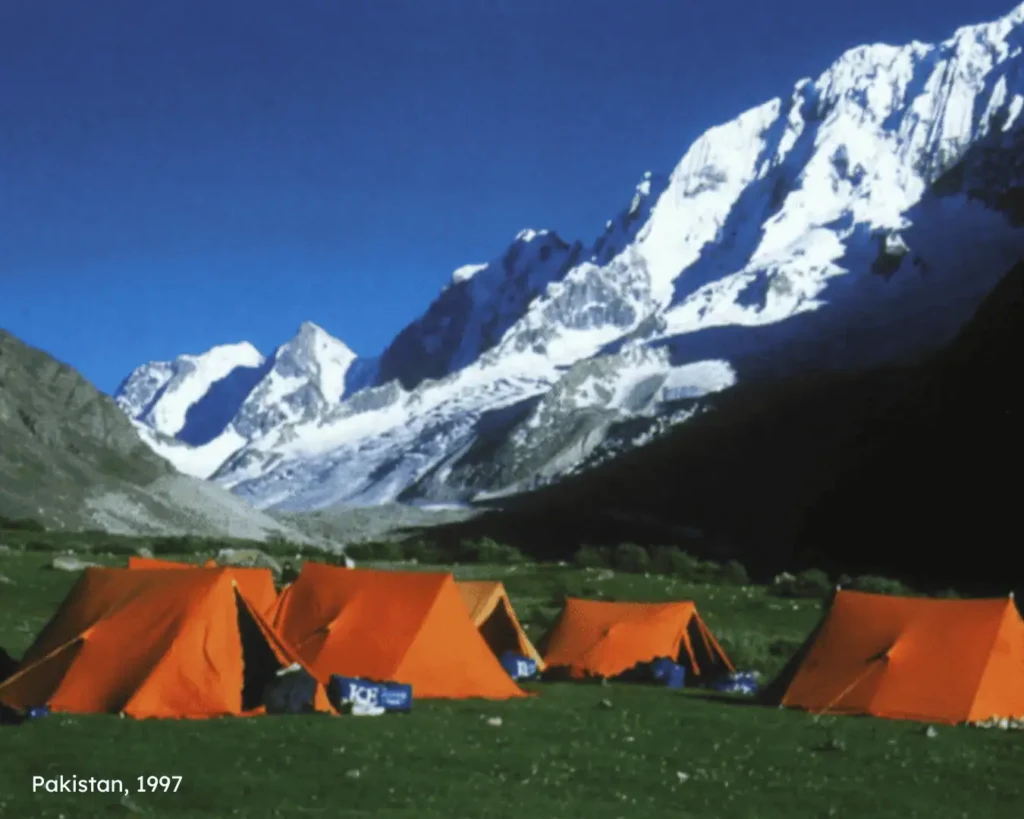
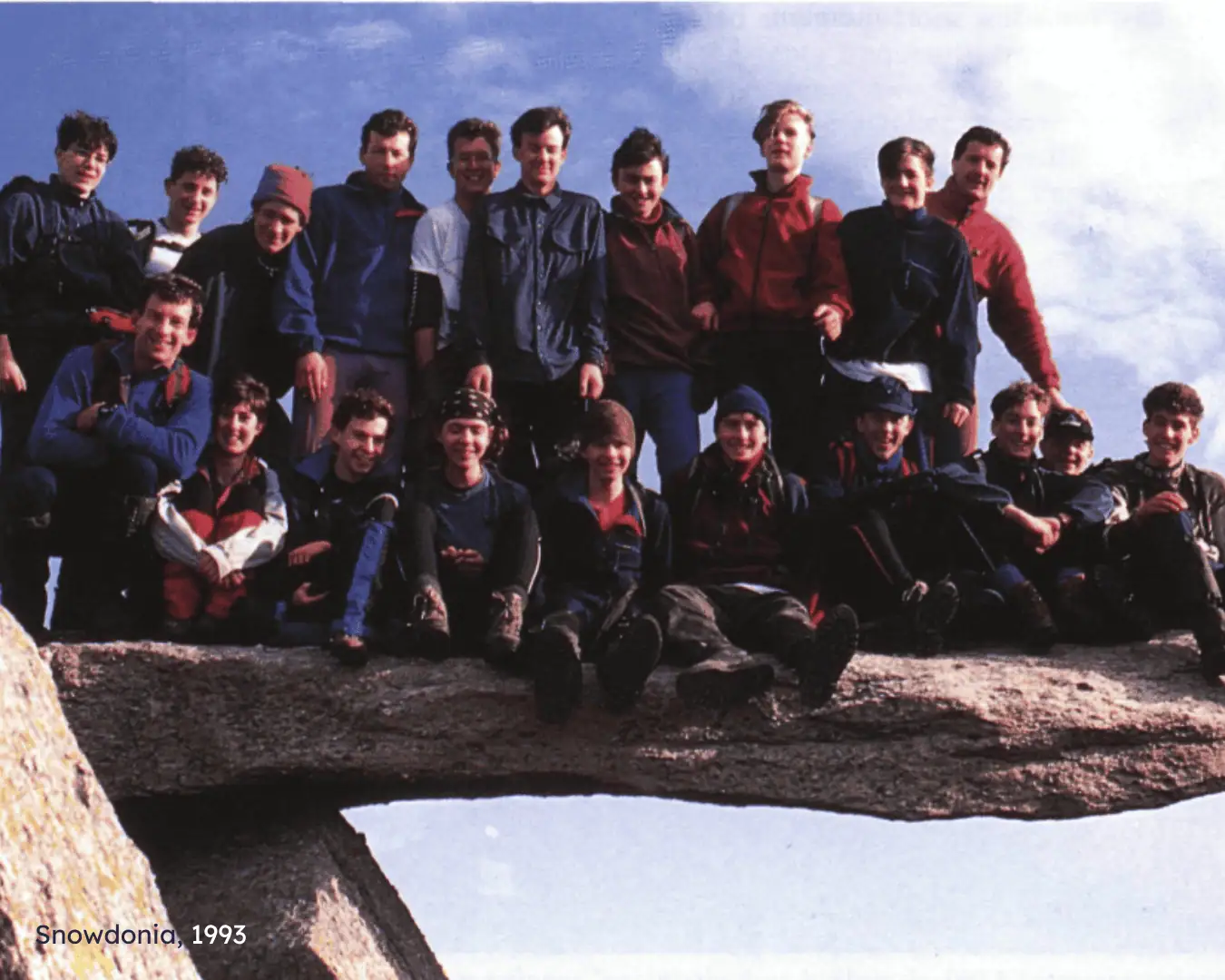
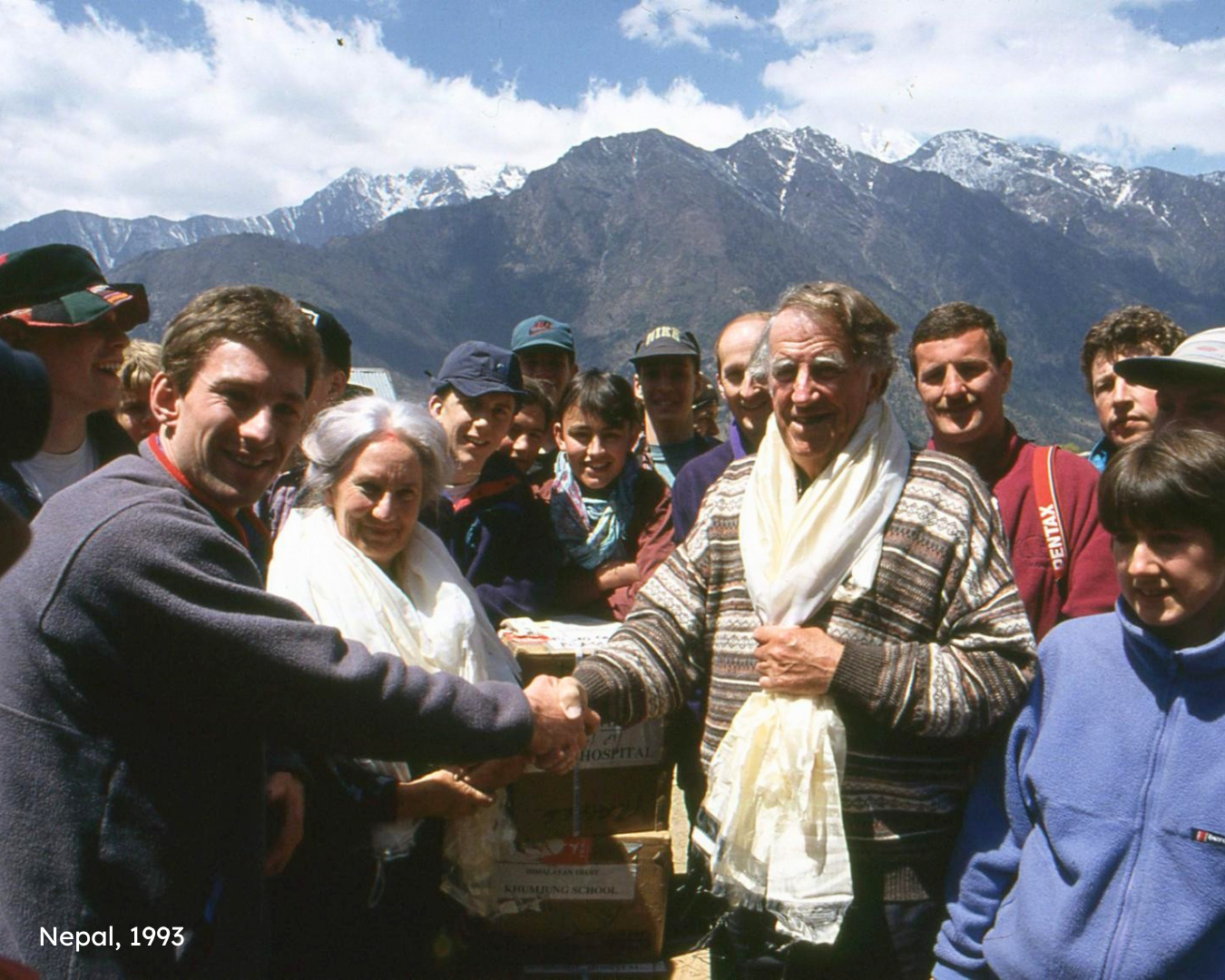
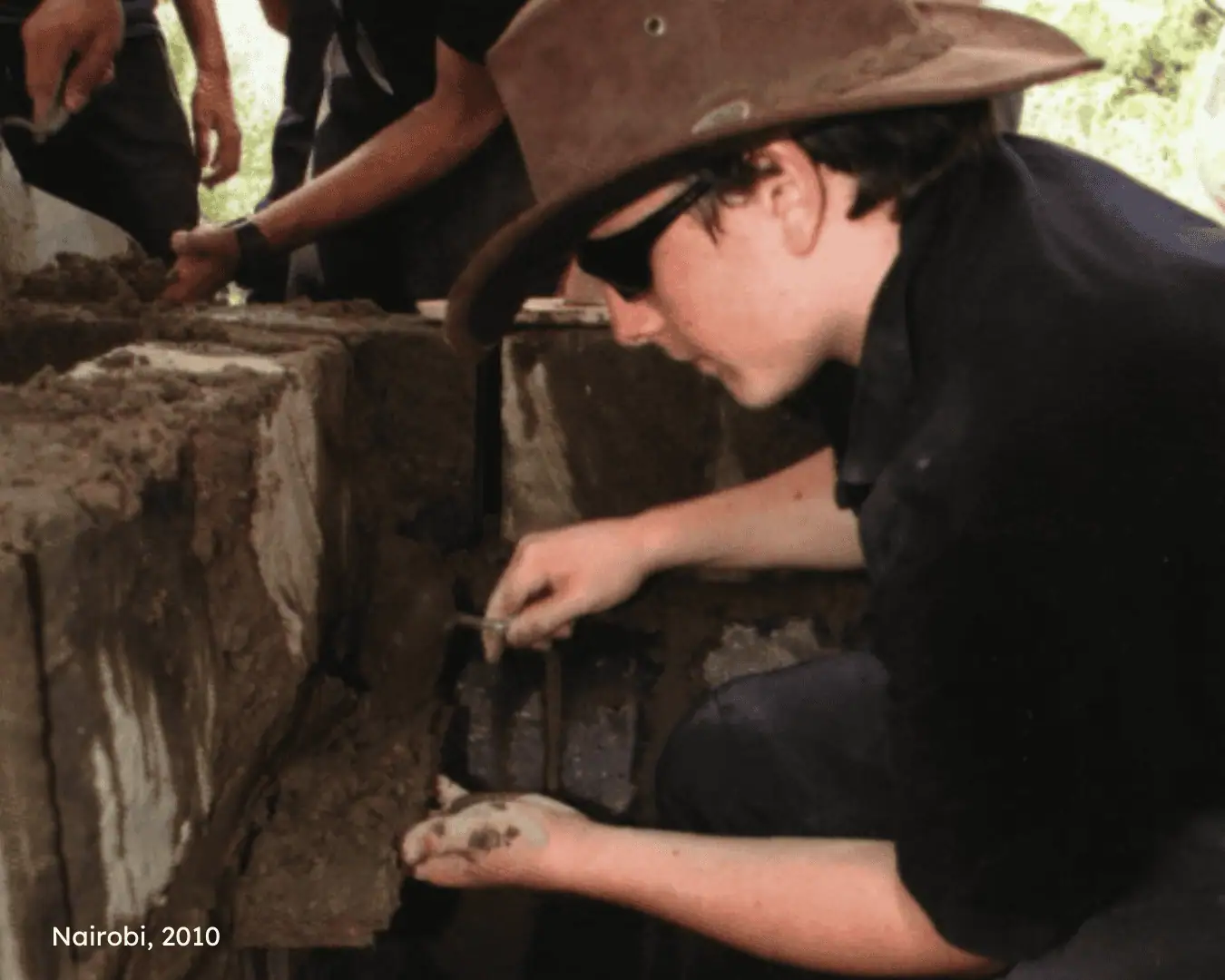
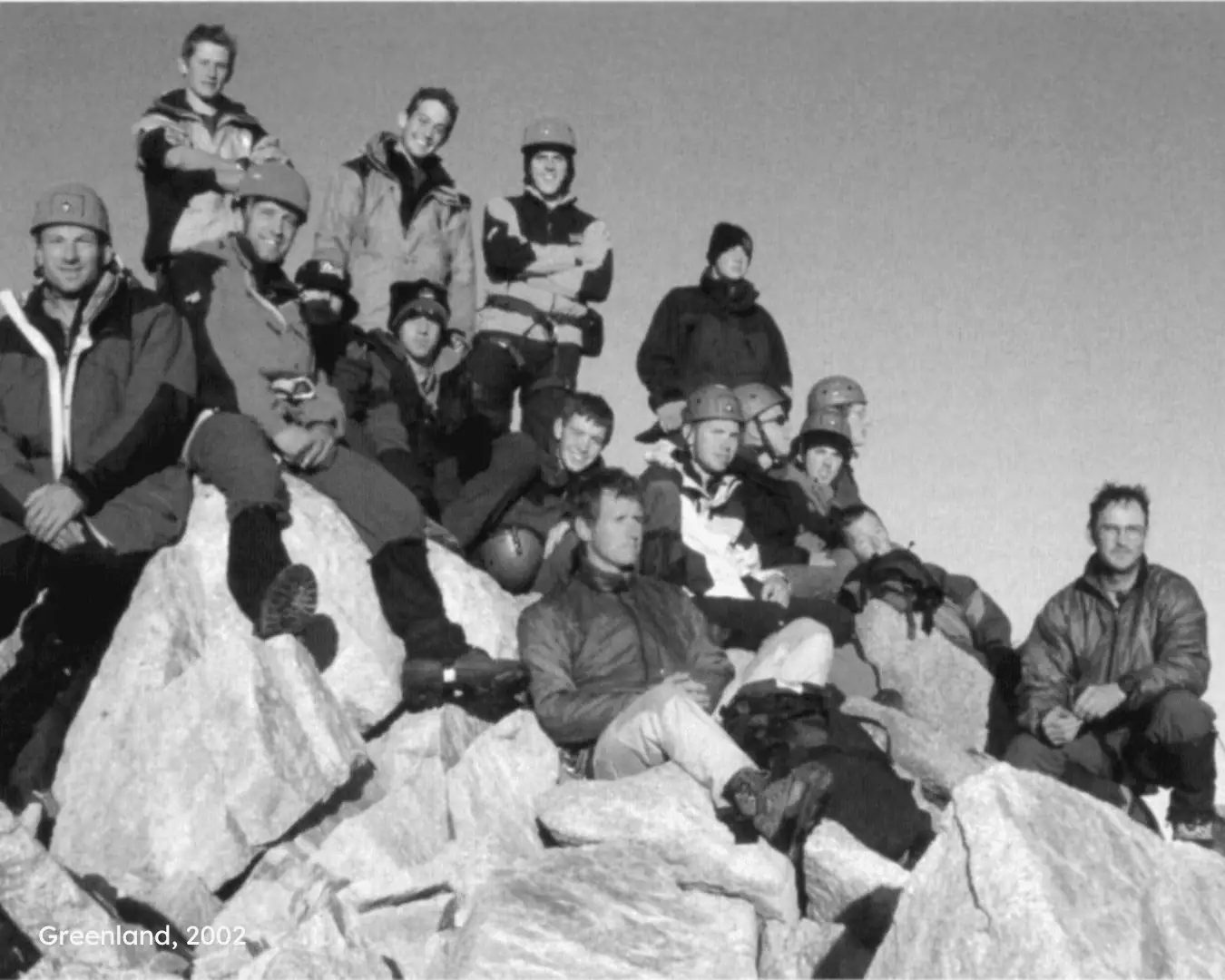
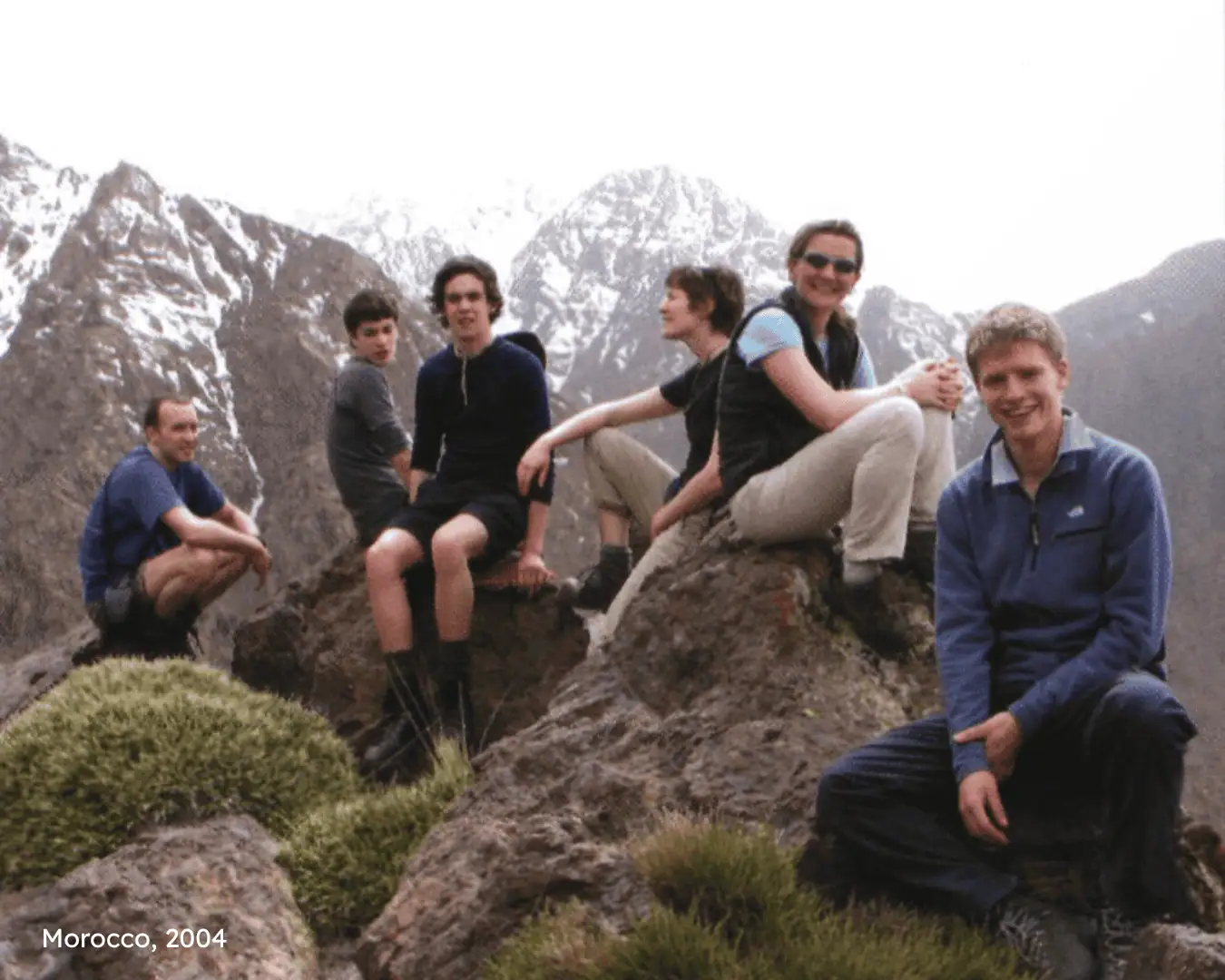
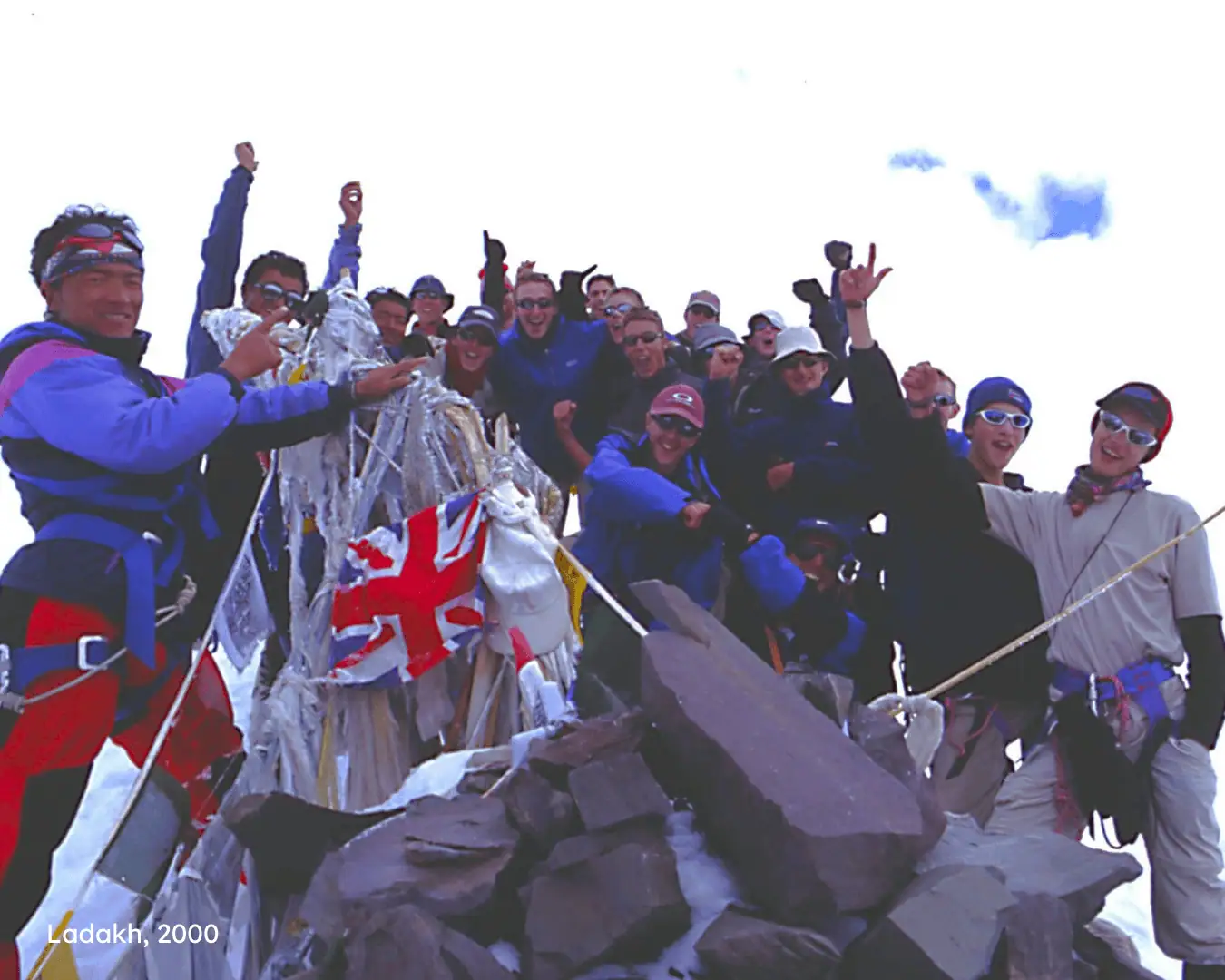
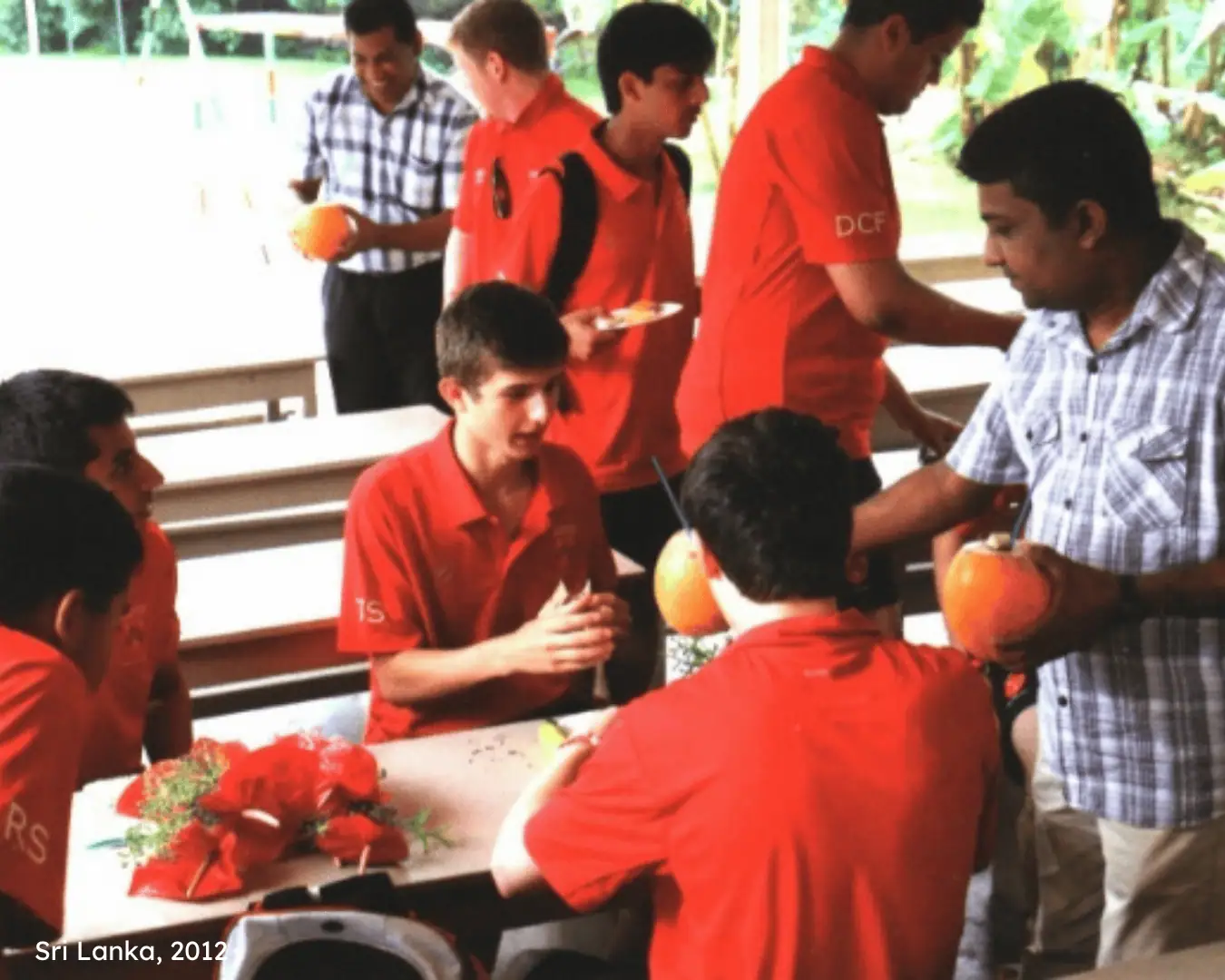
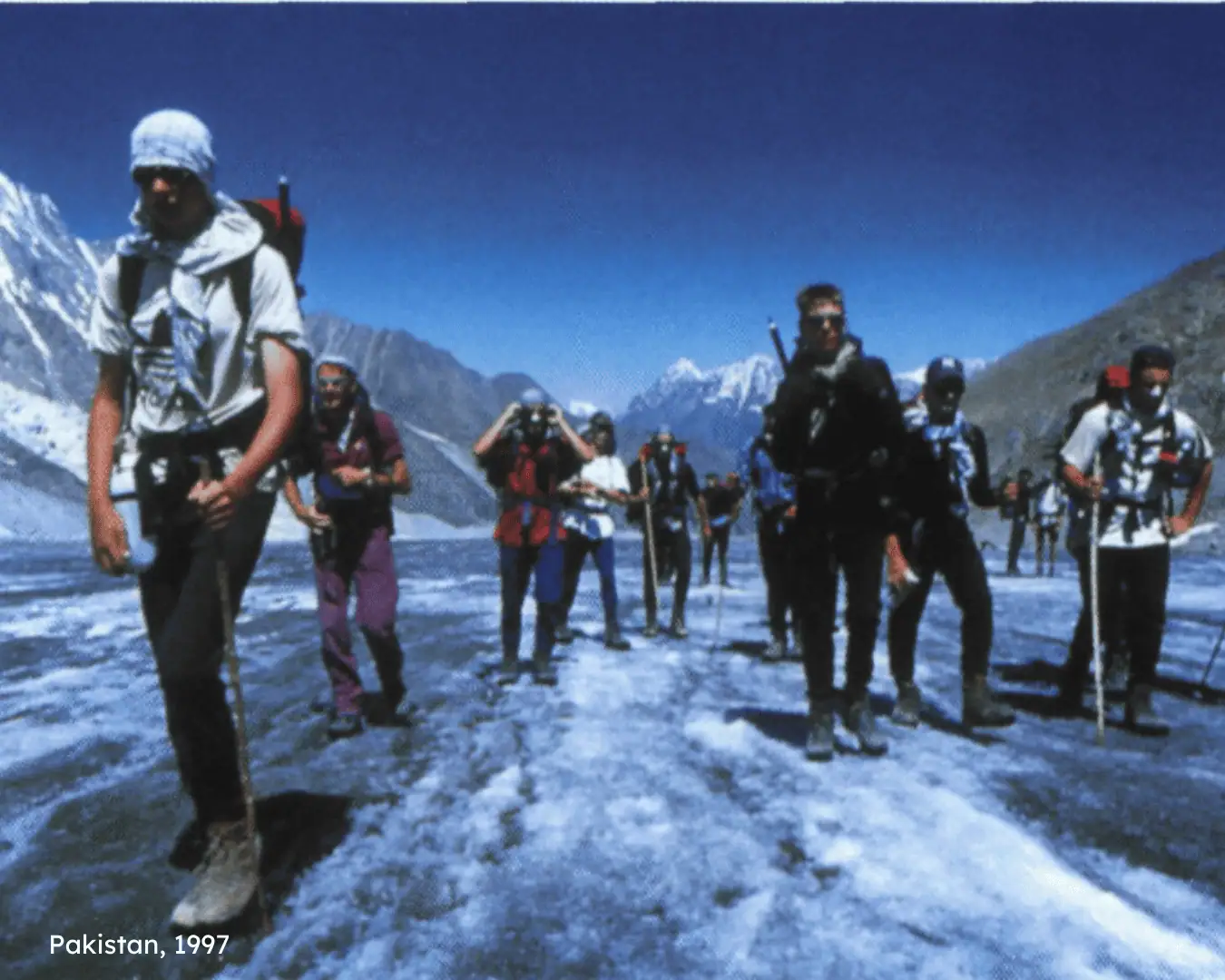
This approach is not new. Our school’s culture is entrenched with guided expeditions: journeys to Nepal’s Everest region, to the Karakoram and Hindu Kush, and Greenland. In 1993, pupils trekking in Nepal even met Sir Edmund Hillary, a figure synonymous with exploration but also, crucially, with environmental and community advocacy. These experiences were never just about reaching remote places. They were about perspective about situating oneself within a world that is vast, vulnerable, and shared.
In more recent years, the spirit of exploration has been tempered by growing awareness of our own environmental and economic footprint. Pupils are becoming immersed in the British Isles, reading the rivers, coastlines and landscapes close to home. A Year 7 residential in Yorkshire, for instance, offers a formative experience: canoeing through local waterways, encountering nature at a scale that feels immediate, knowable and quietly profound.
What links these journeys is not simply their scale, but their simplicity.
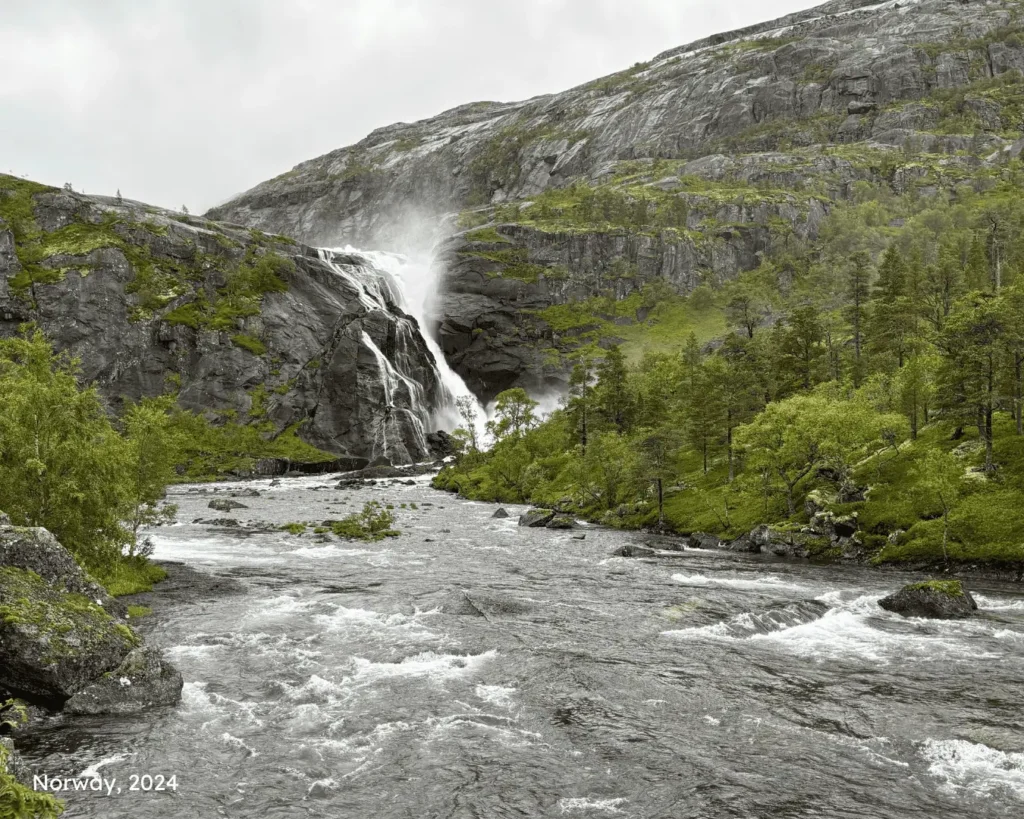
Adventure strips life back to essentials. There is no excess when everything must be carried. Food, shelter, warmth each becomes tangible and interconnected. In such conditions, sustainability is no longer a concept but a necessity. Waste is not an abstract problem; it is weight in a rucksack. Energy is not invisible; it is the effort required to move forward against wind or current.
There is, of course, challenge and through it, growth. And here, an idea familiar to outdoor education emerges: “type two fun”, the kind that is challenging, even unpleasant in the moment, but deeply rewarding in retrospect. When faced with strong winds or relentless rain, pupils are not just enduring conditions; they are adapting, problem-solving, and recalibrating their relationship with the environment around them.
Crucially, these experiences foster emotional connection. Environmental stewardship rarely grows from information alone. It emerges from attachment from moments of awe, vulnerability, and respect. A pupil who has watched a sunrise from a remote hillside, or paddled through a quiet stretch of coastline, carries that memory differently from one who has only encountered such places on a screen.
And with that connection often comes a sense of urgency.
To witness environmental change firsthand whether in shifting weather patterns, eroded landscapes or fragile ecosystems is to move from passive awareness to active concern. It becomes harder to dismiss climate change as distant or abstract when its effects are encountered directly, in places that feel both real and, increasingly, at risk.
On Earth Day, much of the conversation centres on what young people should learn about the planet. Perhaps the more pressing question is how they learn to care.
Adventure, in its raw and unstructured form, offers one answer. Not as escapism, but as education. Not as a luxury, but as a means of grounding knowledge in experience.
In an age of increasing disconnection from the natural world, the simple act of going out into wilderness may still be one of the most powerful catalysts we have.

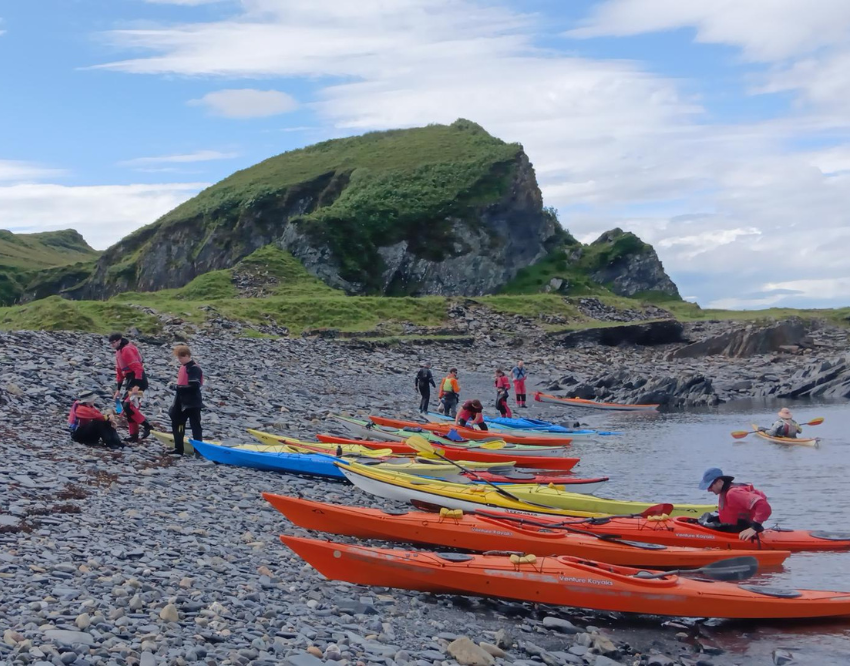
Sea Kayaking, Wild Camping and Mountain Hiking
Through adventure and exploration, we are ensuring our pupils gain an education that extends beyond the classroom. From nature, they learn the value of the environment that surrounds them and that this isn’t something that should be taken for granted but which should be cared for and protected. They also learn lots about themselves and working as a team.
Mr A Waters, Assistant Head of Operations & Pupil Experience
Digital Archive
This article contains images from the Loughborough Grammar School Digital Archives.
Latest News:
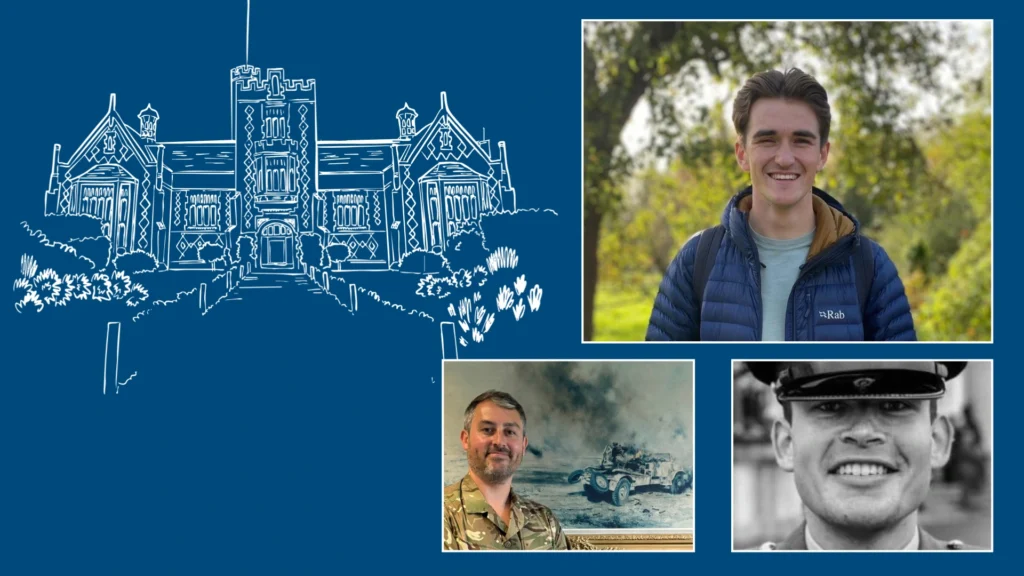
Where can the CCF take you?
Inspiring alumni and careers in the armed forces
From British Army Officers to Royal Navy Lieutenants, Brigadiers, Pilots and Medical Officers, Loughborough Grammar School’s alumni have gone on to pursue a range of inspiring military careers. Despite being different pathways, all of the careers require the same set of skills – strong leadership, physical and …
Understanding potential, unlocking confidence
How being part of the CCF enables young people to go further than they ever thought possible
Cadet forces across the country are being celebrated this October by the first-ever National Cadets Week – a nationwide campaign which recognises the many young people and cadet leaders who benefit from being part of the cadet community. …