Bringing Roman Leicester to life
Loughborough Grammar School brings Roman Leicester to life through innovative primary school competition
We recently welcomed pupils from across the region to take part in an innovative outreach competition that combines ancient history with cutting-edge technology, as part of our ongoing commitment to making Classics accessible to all.
The “Rebuilding Ratae” competition invited Year 4 and Year 5 pupils to recreate buildings from Roman Leicester (Ratae Corieltauvorum) using Minecraft, working from real archaeological evidence provided by archaeologist, Tim Higgins, from University of Leicester Archaeological Services (ULAS), in what is the twentieth anniversary of the excavations.
Entries from participating primary schools were combined into a single digital “world,” reconstructing an entire district of the ancient city which has become the first digital reconstruction of this site at that stage ever.
Following a highly competitive judging process, pupils from Fairfield Prep School, Sacred Heart Catholic Voluntary Academy and Old Dalby Church of England Primary School were invited to our campus on 11 June to experience their creations brought to life.
During the visit, pupils had the opportunity to:
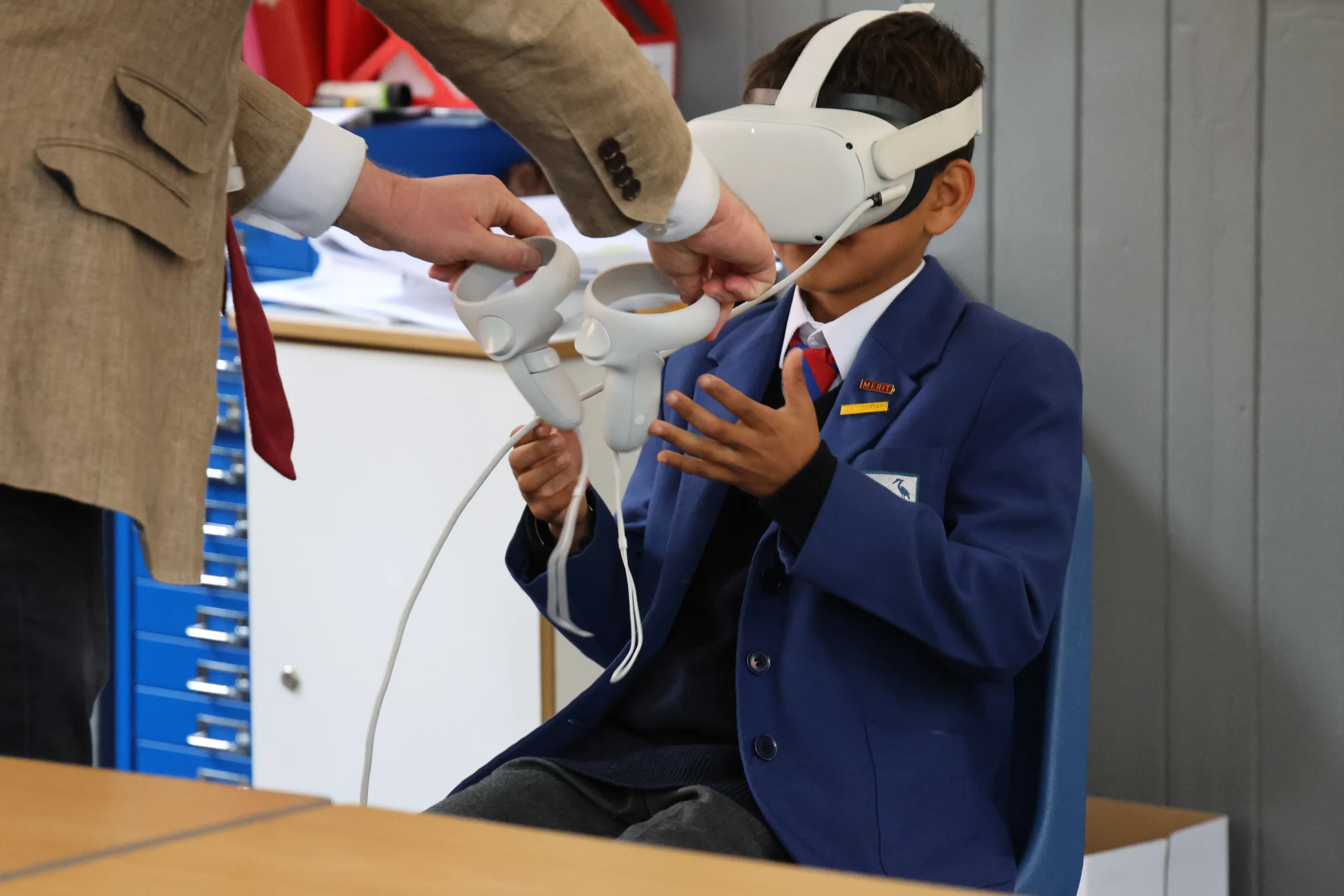
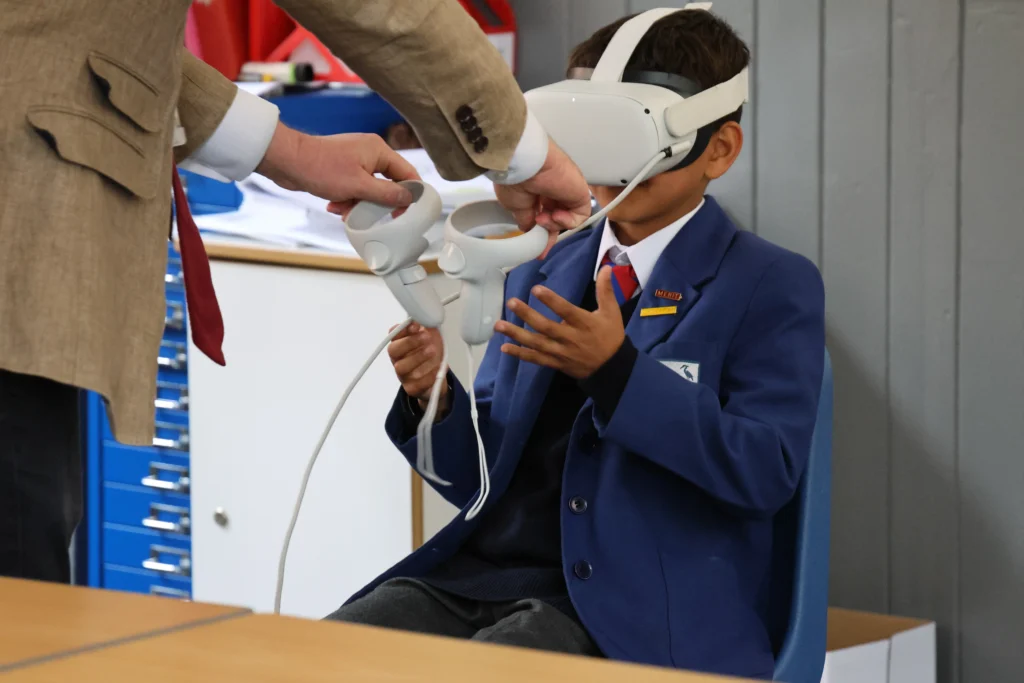
- Explore their builds in Virtual Reality (VR), enhanced with authentic Roman-themed textures using a Minecraft modification
- Hear from Tim Higgins, the archaeologist leading excavations at the site being reconstructed
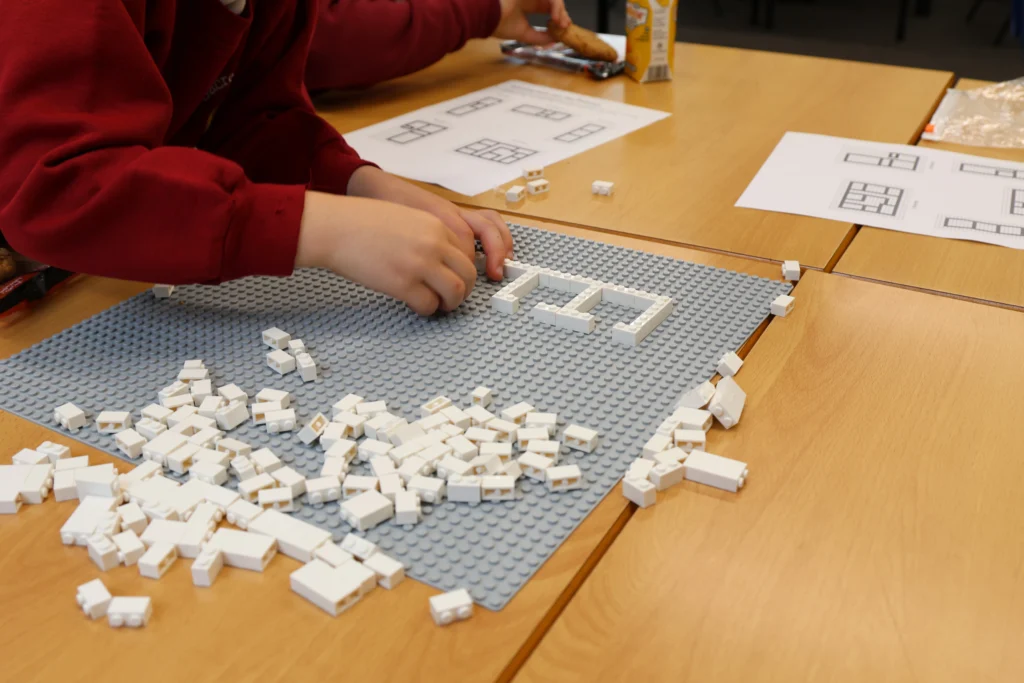
- Construct floorplans of the site to scale using plastic construction bricks
- See how digital tools such as gaming, 3D modelling and VR are transforming the study of the ancient world
The competition was led by Classics teacher at Loughborough Grammar School, Mr Philip Harper, whose nationally recognised work in Digital Classics uses tools such as Minecraft, virtual reality and 3D printing to immerse pupils in the ancient world. This approach allows pupils not only to study history, but to build, test and experience it, developing a deeper understanding of scale, structure and evidence-based interpretation.
Philip said: “By combining historical scholarship with digital innovation, the competition challenges outdated perceptions of Classics as a purely traditional subject. Instead, it highlights its role in developing analytical thinking, creativity and cultural understanding – skills that are essential in modern society.”
The three schools selected for inclusion in the final map received a commemorative trophy featuring a 3D-printed model of the Minecraft world, incorporating their designs.
Poppy hasn’t stopped talking about the event since! She was thrilled by the whole experience – combining Roman history with Minecraft and VR made learning feel exciting and real. Designing and then walking through her own Roman building was something she’ll never forget. She loved every part of the experience, from the introduction at Fairfield to visiting the Classics Department at Loughborough Grammar School and was especially excited to meet a real archaeologist. As she put it, ‘I had so much fun – the Grammar School was so big, Mr Harper made it really exciting, and the VR headset was so cool!’
Parent of a pupil who attended the event
The competition forms part of our wider mission to broaden access to Classics at a time when national provision is in decline. With university courses under threat and state school access reduced following the removal of Latin Excellence Programme funding, opportunities to study Classics are increasingly limited.
Through initiatives such as free online lectures, community engagement and outreach competitions like Rebuilding Ratae, we are working to ensure that the subject remains open, relevant and inclusive.

Latest News:
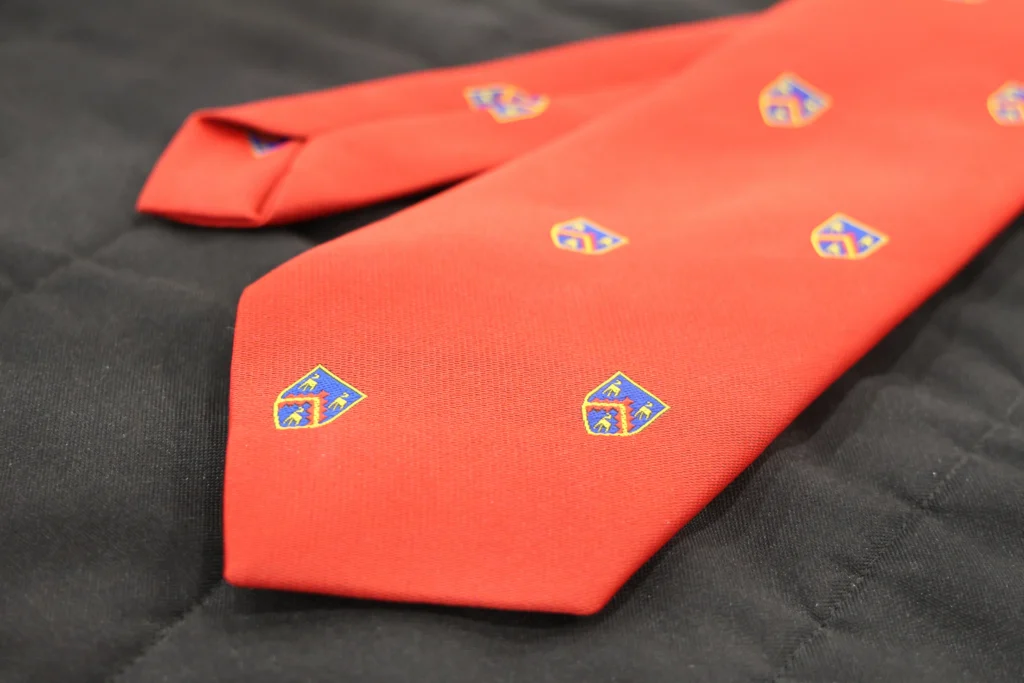
Red Tie Assembly marks milestone moment
A tradition passed ‘from age to following age’
For Year 13 students at Loughborough Grammar School, receiving their red tie marks a milestone moment in their school journey. It is a symbol of leadership, mutual respect and service that will endure long after they leave LGS. 30 years later, this year’s assembly invited Head of History …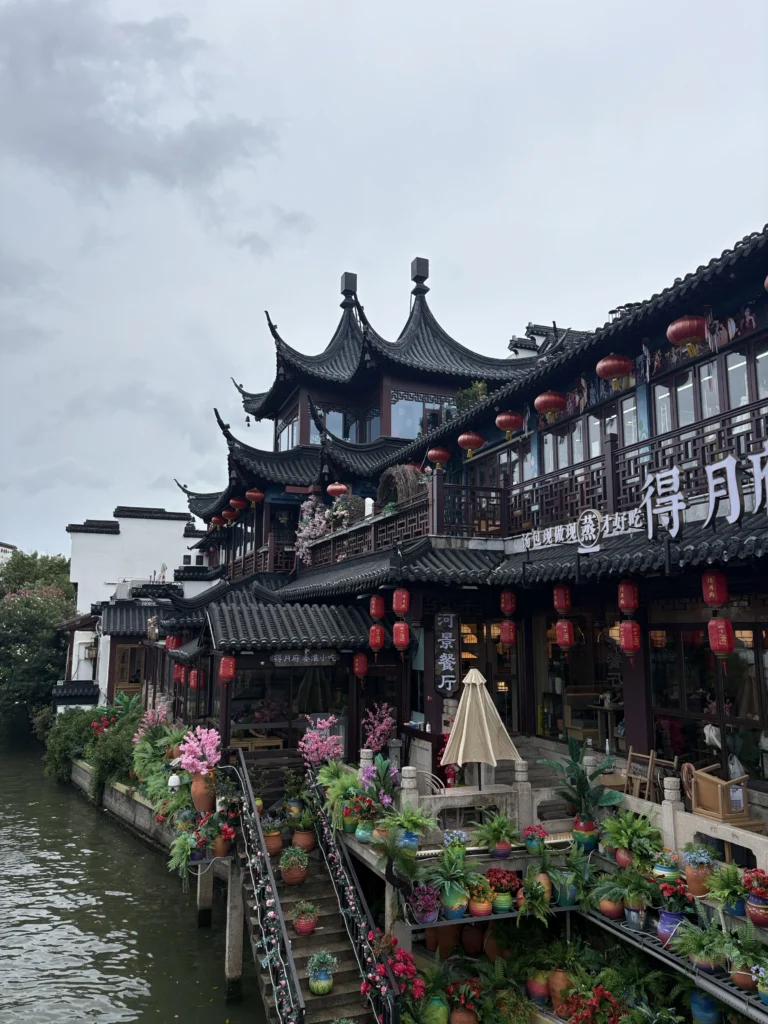
Connecting cultures across the globe
Pupils experience Chinese culture through an immersive Friendship Camp
Over the summer, eight pupils from Loughborough High School and four pupils from Loughborough Grammar School experienced a fully immersive trip to China, taking part in the New Oriental Cultural Tourism Group’s Jiangsu China-UK Friendship Camp. Centred around cultural exchange and global connection, the Camp offered …